This Week in Masonic History·June 15 to June 21, 2026
Samuel May Williams Reaches Texas
This week follows Samuel May Williams from his arrival in Mexican Texas to his place in the civic, financial, and fraternal world that helped shape the Republic.

Samuel May Williams arrived in Mexican Texas in 1822 and became one of the quiet engines behind Stephen F. Austin’s colony. He translated, copied, filed, negotiated, financed, and remembered. In a young society where institutions were still being formed, that kind of work mattered.
The Texas State Historical Association describes Williams as Austin’s trusted secretary and business lieutenant. He handled records, translation, finance, and correspondence, and later helped fund the Texas Revolution. After independence, he became deeply tied to Galveston, banking, and the commercial life of the young Republic.
When Williams died in 1858, TSHA records that he was buried by the Knights Templars whose chapter he had founded. That detail places him not only in the civic and financial story of early Texas, but also in the fraternal world of Galveston Masonry. Other Masonic summaries identify him as an important Galveston Mason; the surviving record invites further study in Grand Lodge proceedings, Harmony Lodge material, and Royal Arch records.
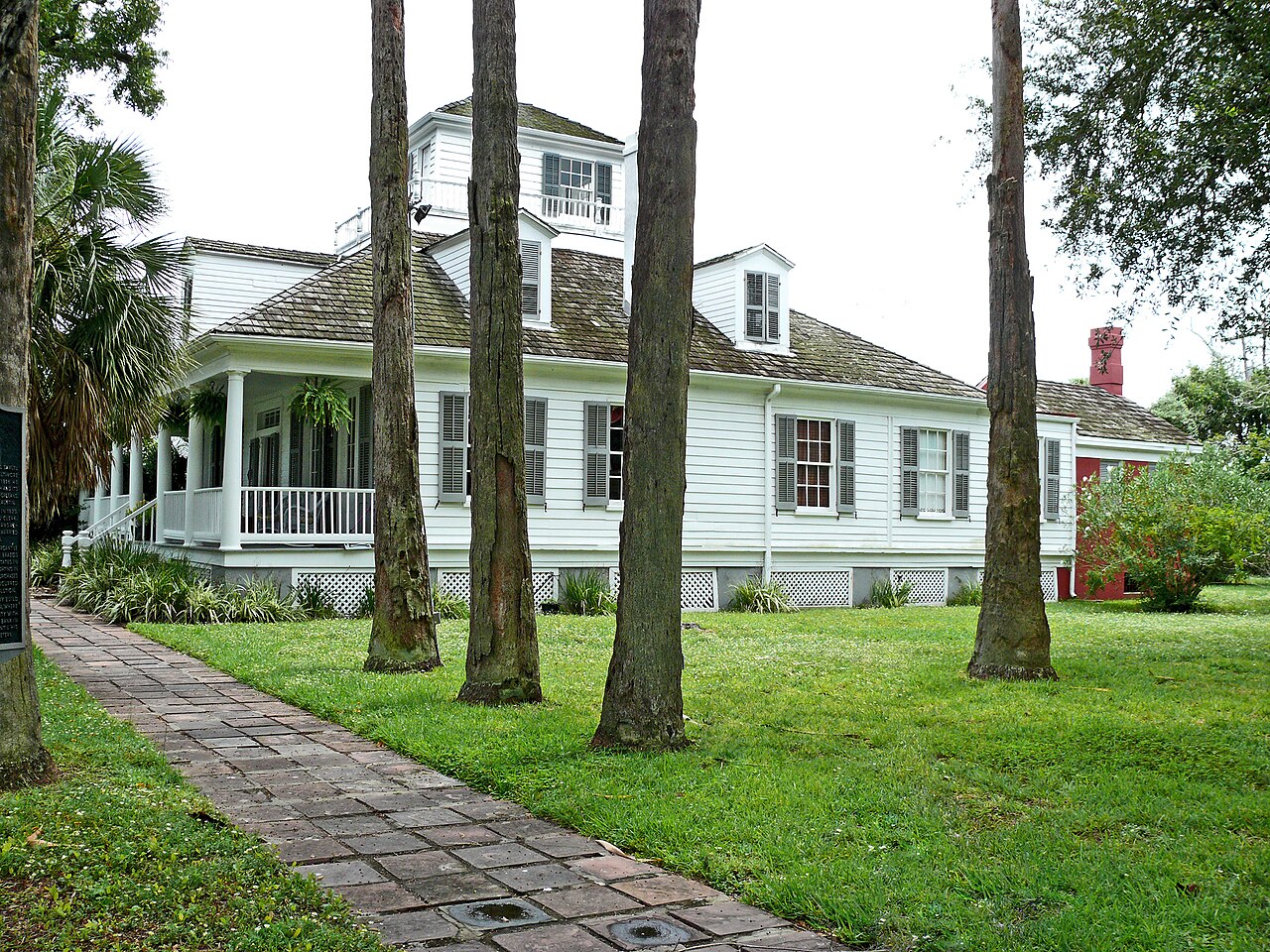
The Samuel May Williams House in Galveston gives the story a surviving place. Listed on the National Register of Historic Places and designated as a Recorded Texas Historic Landmark, the house connects Williams’s public life to a real Texas landmark that can still be seen, studied, and remembered.
For Johnson City Lodge No. 561, Williams’s story has a local resonance. Texas Masonry was built by men who worked in records, finance, law, commerce, education, and public trust. The Craft’s history is not only found in lodge rooms; it also appears in civic institutions, landmarks, and remembered obligations that Masons helped carry forward.
The larger thread is continuity. Records survive, landmarks survive, and lodges carry memory forward when brethren take the work of preservation seriously.
Listen to This Story
6:32Read it here. Hear it anywhere.

Take the Story With You
Never miss a week.
Subscribe once and each new Texas Masonic history episode will arrive automatically in your podcast app.