This Week in Masonic History·June 22 to June 28, 2026
The First Grand Lodge Takes Shape
This week follows the 1717 meeting at the Goose and Gridiron, where four London lodges formed the first Grand Lodge and gave modern regular Masonry one of its defining patterns.
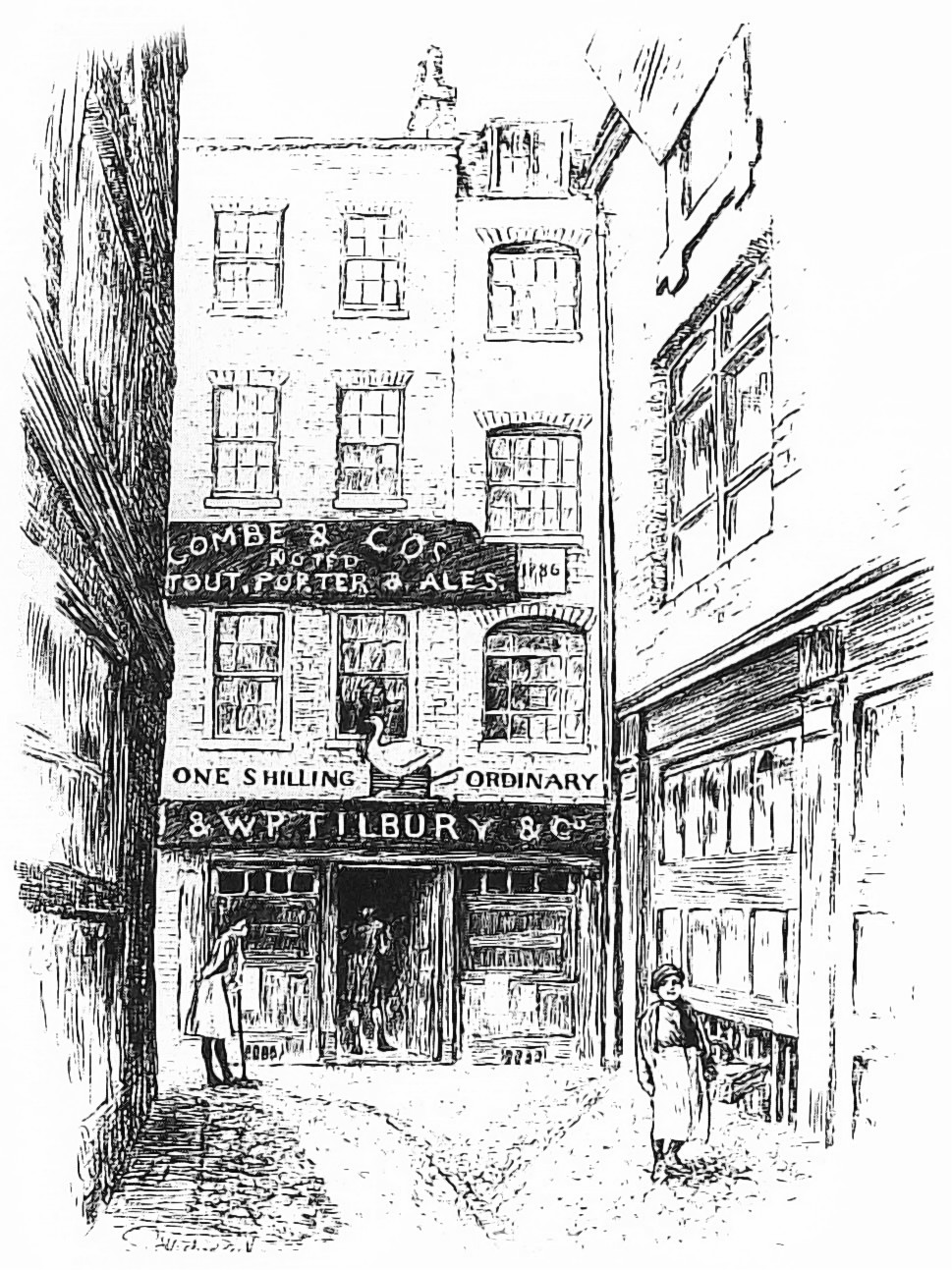

On June 24, 1717, four London lodges gathered on St. John’s Day at the Goose and Gridiron Ale-house near St. Paul’s Churchyard. The United Grand Lodge of England identifies that meeting as the formation of the first Grand Lodge, the institutional ancestor of modern regular Freemasonry.
The date can feel remote from Blanco County, but the structure it created is not remote at all. A lodge working under charter, Grand Lodge recognition, annual communications, officers, records, proceedings, dues, discipline, charity, and continuity all descend from the same basic problem: how does a local Craft preserve trust across time?
That question crossed the Atlantic. English warrants helped establish regular Masonry in colonial North America, and the Grand Lodge pattern later shaped the way Texas Masonry organized itself during the Republic period. Johnson City Lodge No. 561 stands in that same broad line of local lodges working inside a recognized jurisdiction.
This is why a London tavern belongs in a Texas lodge history series. The story is not about borrowing another country’s nostalgia. It is about the operating system of regular Masonry: local brethren meeting face to face, but with obligations, records, and recognition that outlive the room.
The 1717 meeting also explains why Masonic history is so dependent on archives. Grand Lodges preserve minutes, charters, proceedings, correspondence, and lodge returns because the Craft is more than a memory of fellowship. It is a governed body whose continuity must be proved.
When a lodge keeps its records, honors its charter, and teaches newer brethren where that chartered life came from, it is participating in the same work that began when those four lodges decided that local practice needed a durable center.
Listen to This Story
5:55Read it here. Hear it anywhere.
Take the Story With You
Never miss a week.
Subscribe once and each new Texas Masonic history episode will arrive automatically in your podcast app.