
This Week in Masonic History·June 29 to July 5, 2026
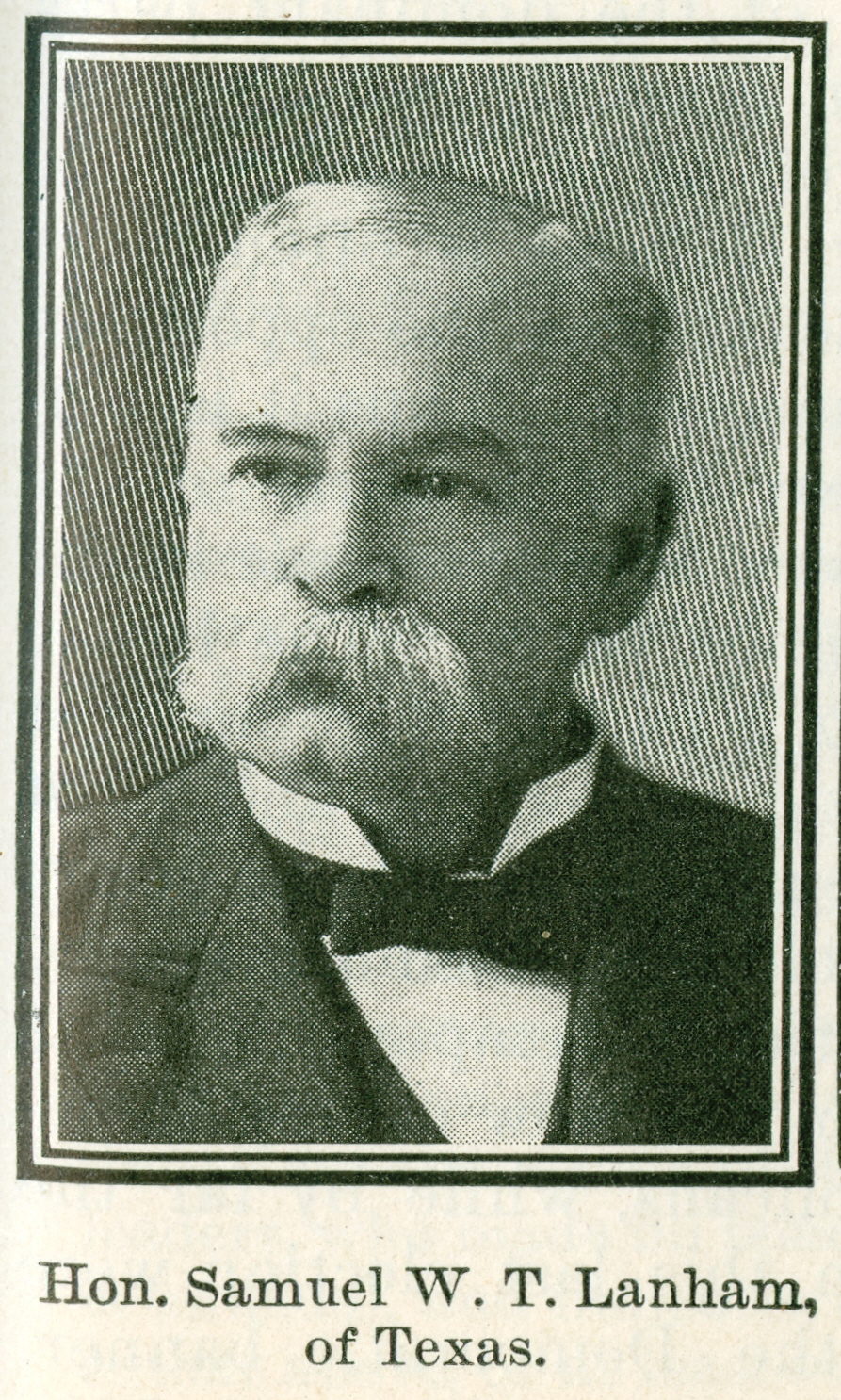
S. W. T. Lanham and Public Life After the Frontier
Born on July 4, S. W. T. Lanham carried Texas public life from the postwar frontier into Congress, the governor's office, and the civic institutions of Weatherford.
_(3572533574).jpg)
Samuel Willis Tucker Lanham was born on July 4, 1846, in South Carolina and came to Texas after the Civil War. The Texas State Historical Association traces a long public career from teaching and law into Congress and, eventually, the governor’s office.
Lanham’s life belongs to a later chapter of Texas history than the Republic founders who dominate many Masonic lists. He practiced law in Weatherford, represented Texas in Congress, prosecuted the Kiowa chiefs Satanta and Big Tree, and served as governor from 1903 to 1907. His administration dealt with banking, taxation, election law, labor questions, public education, and the machinery of a modernizing state.
TSHA records that Lanham joined the Masons in 1868. That sentence is small, but it places him in the fraternal world of postwar Texas, where lodges helped create trusted civic networks in towns that were still building courts, schools, banks, newspapers, churches, and local institutions.
The July 4 birthday makes him easy to remember, but the better lesson is not decorative patriotism. Lanham shows Texas Masonry moving from revolutionary memory into administrative responsibility. The Craft’s public footprint did not end when the Republic joined the Union; it continued through men who practiced law, taught, governed, and tried to make institutions hold together.
For Johnson City Lodge No. 561, Lanham is a useful bridge. He connects the older frontier memory of Texas to the quieter civic work of the twentieth century, when public trust depended less on dramatic moments and more on competence, recordkeeping, obligation, and steady service.
That is often where Masonic history hides: not only in grand speeches, but in the patient work of men expected to be dependable when the county, the court, the school, or the lodge needed them.
Listen to This Story
5:34Read it here. Hear it anywhere.

Take the Story With You
Never miss a week.
Subscribe once and each new Texas Masonic history episode will arrive automatically in your podcast app.